

In the energy and utilities sectors, pipelines are the arteries that transport vital resources like oil, gas, and water. The integrity of these pipelines is paramount, as any failures can lead to significant economic losses, environmental damage, and safety hazards. As a result, pipeline inspection services have emerged as crucial, which use sophisticated methods to check that pipelines are in their best state. Pipeline inspection is an absolutely critical field where only the most enlightened methods are possible to guarantee the viability of the infrastructure. They are not only used in the diagnosis of the defects like corrosion, leakage, or any structural irregularities but also aid in the preventive measures to avoid potential hazards and hence the cost of operations. The diagnoses of issues such as corrosion, leaks, and structural anomalies but also help in preventive maintenance, helps in minimizing risks and operational costs.
The Importance of Pipeline Inspection
Pipelines that can stretch for hundreds or even thousands of kilometers are exposed to numerous environmental and operating conditions. Corrosion and mechanical damage, and also material fatigue are some of the aspects that may threaten their reliability. Regular inspection is crucial to detect potential issues early and mitigate the risks associated with pipeline failures. Modern pipeline inspection services utilize sophisticated methods that can determine the exact state of pipelines to ensure that they are regularly maintained and not to cause any major disasters.
Pipelines, often extending over vast distances, face numerous environmental and operational challenges that can compromise their integrity. The continuous exposure to varying climates, soil conditions, and pressure changes makes them susceptible to a range of issues, including corrosion, mechanical damage, and material fatigue. Corrosion is a significant concern, particularly for pipelines carrying water, oil, or gas, as it can lead to leaks, ruptures, and even explosions if left unchecked. Environmental factors, such as soil chemistry and moisture levels, can accelerate corrosion, necessitating regular inspections to monitor and manage its progression.
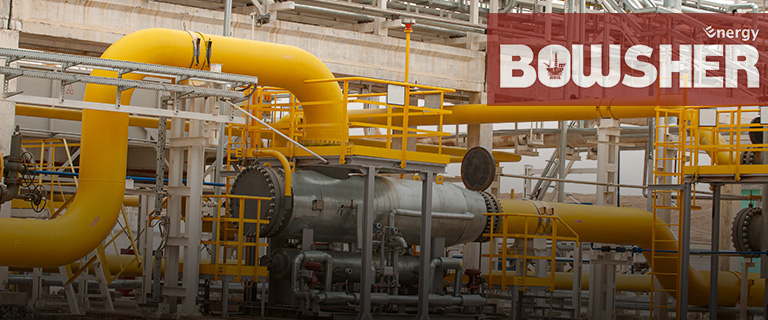
Mechanical damage can occur from external forces like construction activities, accidental impacts, or natural disasters. This type of damage often results in dents, cracks, or other deformations that weaken the pipeline structure. Moreover, material fatigue —the progressive weakening of a material due to repeated stress cycles—can cause microcracks that gradually expand, potentially leading to catastrophic failures. This is especially prevalent in pipelines subjected to fluctuating pressures and temperatures.
Regular pipeline inspections are crucial for early detection of these issues, allowing for timely interventions that prevent minor problems from escalating into major failures. Modern pipeline inspection services employ a variety of advanced techniques, including smart pigging, ultrasonic testing, and non-contact magnetometry. These methods provide detailed insights into the pipeline’s condition, enabling operators to prioritize repairs and maintenance. By identifying potential issues early, these inspections help mitigate risks, ensuring the safe and efficient operation of pipelines. This proactive approach not only extends the lifespan of the infrastructure but also minimizes the likelihood of environmental contamination and operational disruptions
Non-Destructive Testing (NDT) Techniques
One of the cornerstone methodologies in pipeline inspection is Non-Destructive Testing (NDT). NDT techniques allow inspectors to evaluate the properties of a pipeline without causing damage. Several NDT methods are widely used in pipeline inspection:

1. Ultrasonic Testing (UT)
Ultrasonic Testing utilizes high-frequency sound waves to detect anomalies within the pipeline. This technique involves sending sound waves into the pipeline material and analyzing the reflected signals to identify defects such as cracks, corrosion, and wall thinning. UT is highly effective for assessing the thickness of pipeline walls and detecting internal flaws that may not be visible on the surface.
2. Magnetic Flux Leakage (MFL)
Magnetic Flux Leakage is another popular NDT technique for pipeline inspection. MFL involves magnetizing the pipeline material and measuring the leakage of the magnetic field caused by defects. When the magnetic field encounters a flaw, such as corrosion or a crack, it leaks out, and sensors detect these variations. MFL is particularly effective for detecting corrosion in ferromagnetic materials, making it a valuable tool in pipeline maintenance.
3. Radiographic Testing (RT)
Radiographic Testing uses X-rays or gamma rays to create images of the internal structure of pipelines. This technique is akin to medical radiography but is adapted for industrial applications. RT is useful for identifying internal defects, weld quality, and corrosion. It provides a detailed view of the pipeline’s internal condition, allowing inspectors to pinpoint areas of concern accurately.
In-Line Inspection (ILI) Tools
In-Line Inspection tools, often referred to as “smart pigs,” are sophisticated devices deployed inside pipelines to assess their condition. These tools travel through the pipeline, collecting data on various parameters such as wall thickness, corrosion, and mechanical damage. Several types of ILI tools are commonly used:
1. Magnetic Flux Leakage (MFL) Pigs
MFL pigs are equipped with magnets and sensors that detect changes in the magnetic field caused by defects. As the pig travels through the pipeline, it records data on the location and size of anomalies. This data is later analyzed to assess the pipeline’s integrity and prioritize maintenance activities.
2. Ultrasonic Pigs
Ultrasonic pigs use ultrasonic waves to measure wall thickness and detect corrosion. These tools can provide high-resolution data on the condition of the pipeline, making them invaluable for monitoring the degradation of pipeline materials over time. Ultrasonic pigs are especially effective in detecting corrosion under insulation (CUI) and other hidden defects.
3. Electromagnetic Acoustic Transducers (EMAT) Pigs
Electromagnetic Acoustic Transducers pigs use electromagnetic fields to generate ultrasonic waves within the pipeline material. This technique is particularly useful for inspecting pipelines made of non-ferromagnetic materials, such as stainless steel. EMAT pigs can detect various defects, including cracks and corrosion, and are highly effective in harsh environments where traditional inspection methods may fail.
Remote Monitoring and Inspection
With advancements in technology, remote monitoring and inspection have become increasingly prevalent in pipeline inspection services. These techniques allow for continuous monitoring of pipeline conditions and provide real-time data to operators, enabling quick responses to potential issues
1. Fiber Optic Sensing
Fiber optic sensing involves embedding fiber optic cables along the length of the pipeline. These cables can detect changes in temperature, pressure, and strain, providing valuable data on the pipeline’s condition. Fiber optic sensing systems can alert operators to leaks, ground movement, and other anomalies, allowing for rapid intervention.
2. Aerial and Satellite Surveillance
Aerial and satellite surveillance technologies have revolutionized the way pipelines are monitored. Aerial inspections with drones and cameras along with thermal imaging can easily cover a large area and detect problems like leakage, trespassing, vegetation intrusion, etc. Drones equipped with high-resolution cameras and thermal imaging sensors can quickly survey large areas, identifying potential issues such as leaks, vegetation encroachment, and unauthorized activities. Satellite-based monitoring systems provide continuous, real-time data on pipeline conditions, helping operators maintain the integrity of their assets. It gives pipeline operators real-time information concerning the state of their pipelines at any given time, thus ensuring the right care is taken to maintain the structures.
The Future of Pipeline Inspection
As technology continues to evolve, the future of pipeline inspection looks promising. Innovations such as artificial intelligence and machine learning are being integrated into inspection tools and data analysis processes. These technologies can enhance the accuracy of defect detection, predict potential failures, and optimize maintenance schedules.

The development of autonomous inspection robots holds great potential for the industry. These robots can navigate through pipelines independently, performing inspections in challenging environments and reducing the need for human intervention. Autonomous robots can significantly improve inspection efficiency and reduce the risks associated with manual inspections.
The advanced pipeline inspection techniques are crucial for ensuring the safety, reliability, and longevity of pipeline infrastructure. Non-Destructive Testing methods, In-Line Inspection tools, and remote monitoring technologies provide comprehensive data on pipeline conditions, enabling proactive maintenance and preventing catastrophic failures. The adoption of these technologies not only enhances the accuracy of defect detection but also enables proactive maintenance strategies, ultimately reducing operational risks and costs. As the industry continues to innovate, the integration of autonomous technologies will further enhance the effectiveness of pipeline inspection services, safeguarding critical resources and protecting the environment.