

Chemical cleaning is a fundamental procedure across various industries, vital for maintaining the efficiency and longevity of equipment. It involves the use of potent chemicals to remove contaminants such as scale, rust, and organic deposits that can hinder operational performance. However, the inherent risks associated with chemical cleaning cannot be overstated. The chemicals used are often highly corrosive, toxic, and reactive, making the potential for accidents significant if safety protocols are not rigorously followed. Therefore, ensuring maximum safety in chemical cleaning operations is not only about adhering to regulatory standards but also about safeguarding the well-being of workers and protecting the environment from hazardous exposures. This necessitates a comprehensive approach that integrates hazard identification, the correct use of personal protective equipment (PPE), regular safety training, and the establishment of a safety-first culture within the workplace.
The Importance of Safety in Chemical Cleaning
Chemical cleaning is essential for maintaining operational efficiency and prolonging the life of equipment. However, the chemicals used in these processes are often hazardous, and improper handling can lead to severe accidents, including chemical burns, respiratory issues, and environmental contamination. Ensuring safety in chemical cleaning is not just about compliance; it is about protecting the workforce and the environment from potentially devastating consequences.
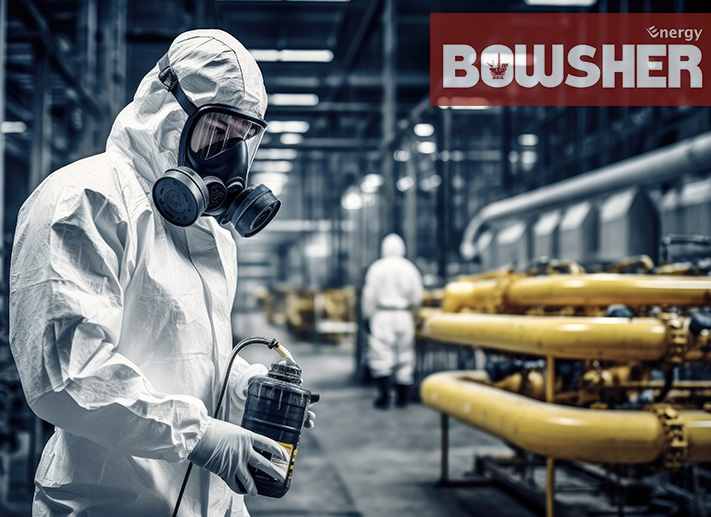
Common Hazards Associated with Chemical Cleaning
Chemical cleaning processes expose workers to various hazards, primarily due to the nature of the chemicals involved. These hazards include:
- Chemical Burns and Skin Irritation: Direct contact with corrosive chemicals like acids and alkalis can cause severe burns and irritation.
- Inhalation of Toxic Fumes: Many chemicals release toxic vapors that can lead to respiratory problems if inhaled without proper ventilation or respiratory protection.
- Environmental Hazards: Improper disposal of chemical waste can lead to environmental pollution, affecting soil, water, and air quality.
- Explosive Reactions: Some chemicals used in cleaning can react violently if mixed with incompatible substances, posing explosion risks.
- Contamination of Work Areas: Spills and leaks can lead to widespread contamination, requiring extensive cleanup efforts and posing ongoing risks until fully addressed.
Best Practices for Creating a Safety-First Culture
Creating a safety-first culture is crucial in environments where chemical cleaning is a routine operation. This involves a combination of policies, training, and day-to-day practices that prioritize safety at every step:
- Leadership Commitment: Safety starts at the top. Management must be committed to enforcing safety protocols and providing the necessary resources to implement them.
- Employee Training: Regular and comprehensive training ensures that all employees understand the risks associated with chemical cleaning and know how to mitigate them. This includes understanding chemical labels, using safety data sheets (SDS), and following safe handling procedures.
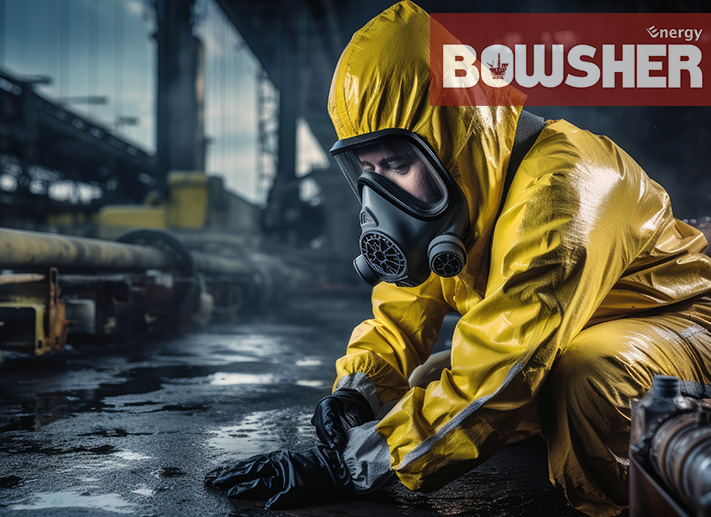
- Risk Assessment: Conducting regular risk assessments helps identify potential hazards in chemical cleaning processes and allows for the implementation of preventive measures.
- Communication and Reporting: Encourage open communication about safety concerns and establish clear procedures for reporting and addressing incidents.
Essential Personal Protective Equipment (PPE) and Its Proper Use
Personal protective equipment (PPE) is the first line of defense against chemical hazards. Depending on the chemicals and cleaning processes used, essential PPE might include:
Gloves: To protect hands from corrosive substances.
Goggles or Face Shields: To prevent chemical splashes from contacting the eyes.
Respirators: To protect against inhaling toxic fumes.
Protective Clothing: Such as aprons or full-body suits to shield the skin from harmful chemicals.
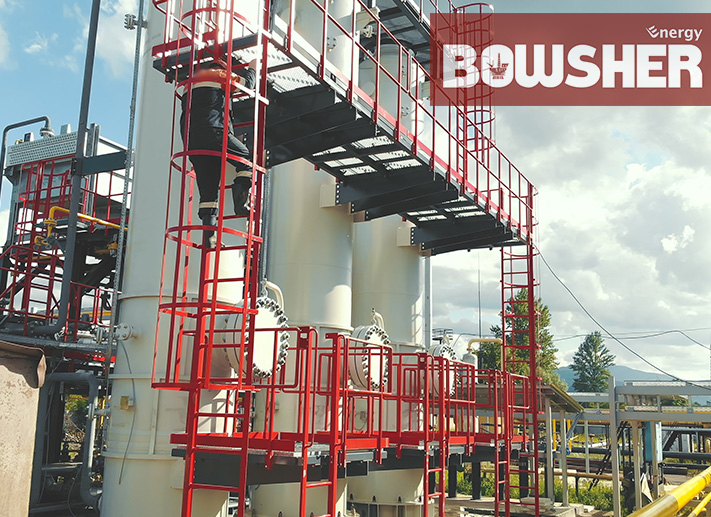
Proper use and maintenance of PPE are as important as having it available. Employees must be trained in selecting the appropriate PPE for each task, wearing it correctly, and maintaining it to ensure ongoing protection.
The Role of Regular Safety Training and Drills
Safety training should not be a one-time event but a continuous process. Regular refresher courses, coupled with hands-on drills, help reinforce safety protocols and ensure that employees are always prepared to handle emergencies. Drills should simulate real-life scenarios, such as chemical spills or exposure incidents, allowing workers to practice their response and refine procedures.
Case Studies of Safe Chemical Cleaning Operations
Examining real-world examples of successful chemical cleaning operations can provide valuable insights into best practices. For instance, a case study from the manufacturing sector highlighted the importance of segregating incompatible chemicals during storage and ensuring proper ventilation to prevent the buildup of toxic fumes. Another case study from the oil and gas industry demonstrated the effectiveness of regular safety drills in reducing the response time to chemical spills, thereby minimizing exposure risks.
The discussion surrounding the safety of chemical cleaning operations highlights the importance of a multifaceted safety strategy that goes beyond mere compliance. The integration of thorough risk assessments, consistent use of PPE, and regular safety training forms the bedrock of a safe working environment. However, the establishment of a safety-first culture within an organization is what truly ensures the long-term effectiveness of these safety measures. This culture is cultivated through strong leadership that prioritizes safety, open communication that encourages the reporting of potential hazards, and continuous learning that adapts to new challenges and technological advancements.
These real-world examples provide invaluable lessons and serve as a practical guide for implementing effective safety measures. For instance, case studies that showcase the successful management of chemical cleaning operations through proactive safety protocols and quick emergency responses illustrate the tangible benefits of maintaining a vigilant safety culture. They also emphasize the importance of preparedness, showing how regular safety drills and training can significantly reduce the response time during emergencies, thereby minimizing the risk of injury or environmental harm.
Ultimately, achieving safety in chemical cleaning is an ongoing process that requires commitment at all levels of an organization. It involves not only adhering to established safety standards but also continuously evolving those standards to meet the demands of new technologies and changing regulatory environments. By doing so, companies can ensure that their chemical cleaning operations are both safe and efficient, leading to improved operational performance and a safer workplace for all.